
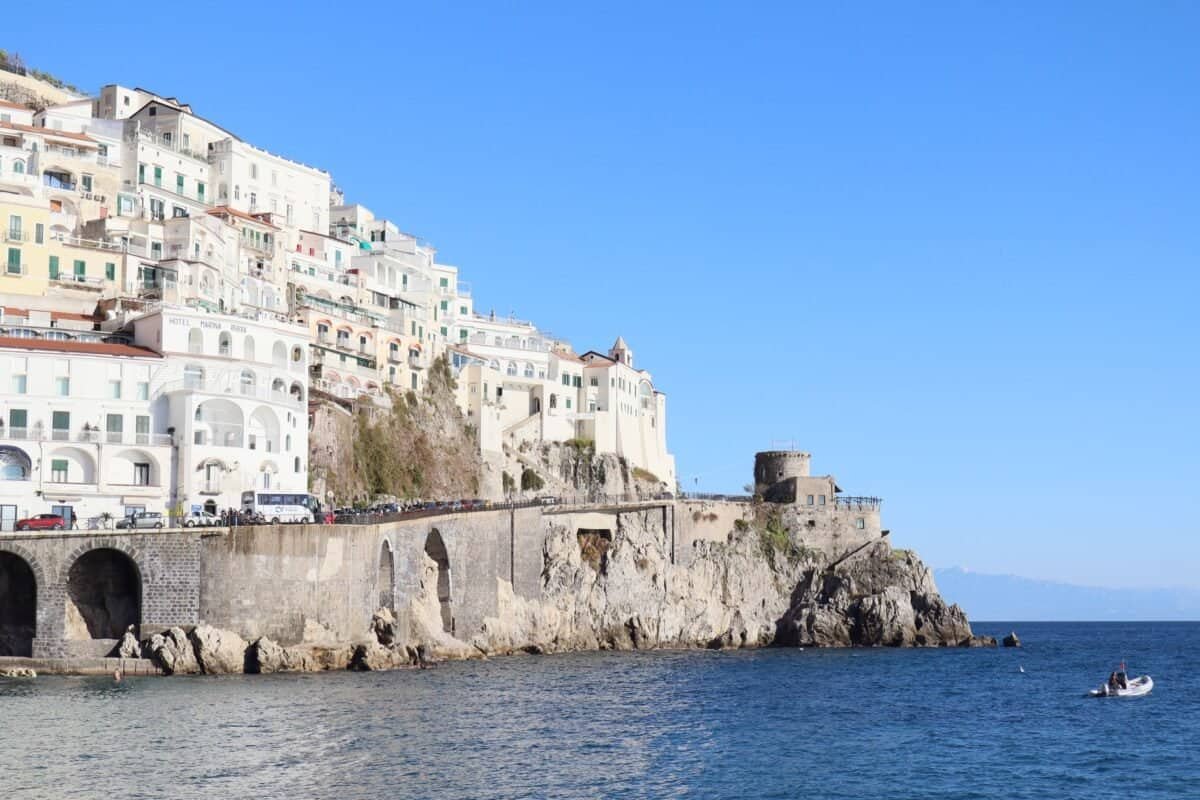
With its pastel villages clinging to steep limestone cliffs, lemon groves cascading down to the Tyrrhenian Sea, and turquoise waters sparkling beneath the Italian sun, the Amalfi Coast is universally recognized as one of the world’s most breathtaking destinations. Extending along the southern side of the Sorrento Peninsula in Campania, Italy, this UNESCO World Heritage site draws millions of travelers each year seeking romantic views, world-class cuisine, and unforgettable coastal landscapes.
However, when planning an itinerary for this iconic region, travelers face a crucial decision: how to get around. On paper, renting a car offers an appealing sense of freedom and independence. The image of cruising along winding coastal roads with the top down is a classic vacation fantasy. But the reality of driving the Amalfi Coast often tells a very different story—one marked by narrow hairpins, bumper-to-bumper gridlock, nerve-wracking parking challenges, and strict driving regulations. For most visitors, booking professional guided tours turns out to be a far safer, less stressful, and ultimately more enjoyable way to experience the coastline. Here is a closer look at why opting for guided excursions beats getting behind the wheel on the Amalfi Coast.
The main artery connecting Sorrento to Salerno is the Strada Statale 163 (SS163), often referred to as the Nastro Azzurro (Blue Ribbon). While undeniably scenic, this road is notorious for being one of the most challenging drives in Europe. Carved directly into the sheer cliffs, the road is exceptionally narrow, featuring continuous blind corners, tight hairpin bends, and steep drop-offs into the sea below.
Driving here requires undivided, intense concentration. Local drivers and heavy SITA commuter buses navigate these sharp corners with practiced aggression, frequently honking before blind turns to signal their presence. Meeting a full-sized passenger bus coming from the opposite direction on a curve barely wide enough for two compact cars can be daunting for even the most confident drivers. Reversing along a cliff edge to let a larger vehicle squeeze past is a common requirement.
When you are responsible for keeping the vehicle on the road, you miss out on the very reason you came: the scenery. By contrast, traveling on an organized trip lets a professional driver handle the tight turns while you gaze out the window, take photos, and actually enjoy the view. To sit back, relax, and savor the panorama, you can browse top Amalfi Coast tours that take the stress out of transit.
2. The Parking Nightmare and Unexpected Costs
Even if you navigate the cliffside roads successfully, arriving at your destination brings a second major obstacle: finding a place to park. Coastal towns like Positano, Amalfi, and Ravello are built vertically into mountain crevices with very limited flat land. Consequently, parking spots are extremely scarce, especially during peak travel months from May through October.
Public parking spaces (marked with blue lines) are quickly claimed by early morning, leaving travelers reliant on private parking garages that charge steep hourly rates. In places like Positano or Amalfi town, parking can easily cost between €5 and €10 per hour, or upwards of €50 to €100 for a single day. Furthermore, many garages fill to capacity by mid-morning, forcing drivers to circulate endlessly along congestion-heavy roads waiting for a space to open.
When you factor in the rental rate, comprehensive insurance coverage (highly recommended given the high frequency of minor scrapes and side-mirror damage), fuel costs, and parking fees, renting a car quickly becomes expensive. When you calculate total expenditures, you can check available guided day trips to see how fully managed transfers and small-group excursions frequently deliver far better overall value without the surprise add-ons.
3. Avoiding Traffic Restrictions and Heavy Fines
Navigating local Italian driving laws presents another challenge for international travelers on the Amalfi Coast. To curb severe traffic congestion during peak season, local authorities enforce strict traffic regulations that can easily catch visitors off guard.
- ZTL Zones (Zona a Traffico Limitato): Many town centers have restricted traffic zones reserved exclusively for residents and authorized permit holders. Unwittingly driving past a ZTL camera can result in automated fines ranging from €100 to €300 per violation, which are often billed months after your trip ends.
- Alternating Plate System (Targa Alterna): During high season, the local government enforces an odd-even license plate rule on the SS163. Cars with license plates ending in an odd number are banned from driving on odd-numbered calendar days during peak hours, and vice versa for even-numbered plates. Rental car companies cannot guarantee which license plate number you will receive, making detailed advance planning complicated.
Professional tour operators operate with commercial transport permits that exempt them from ZTL restrictions and alternating plate rules. Booking a tour guarantees seamless movement between towns without worrying about municipal traffic fines.
4. Gaining Local Insight and Access to Hidden Gems
Renting a car provides transportation, but a guided tour provides context, history, and local culture. Local drivers and guides bring deep knowledge of Campania’s history, traditions, and culinary heritage. As you travel, they share stories about ancient maritime republics, point out historical watchtowers built to guard against pirates, and explain local agriculture, such as the famous Sfusato Amalfitano lemons used to make authentic limoncello.
Furthermore, local guides know how to optimize timing to bypass heavy crowds. They know precisely when major tour groups hit specific landmarks, which family-run trattorias serve the best handcrafted pasta, and where to find scenic photo vantage points off the beaten path. This insider perspective transforms a simple commute into an immersive cultural experience.
5. Combining Land and Sea Perspectives
One major drawback of relying solely on a rental vehicle is that you are restricted to land routes. However, many travelers agree that the absolute best way to view the Amalfi Coast is from the water, where you can admire the full grandeur of the towns clinging to the cliffs.
Many organized excursions combine comfortable land transfers with coastal boat rides, allowing you to experience the coast from multiple angles in a single day. You might visit Ravello’s hilltop gardens in the morning, stop in Positano for lunch, and spend the afternoon sailing past hidden sea caves and private coves inaccessible by car. To complement your time on land, you can explore local boat excursions to enjoy a well-rounded perspective of the shoreline.
Conclusion: Prioritize Peace of Mind on Your Italian Holiday
The Amalfi Coast is a destination meant to be savored slowly, comfortably, and joyfully. While renting a car offers theoretical flexibility, the practical realities—navigating dangerous turns, dealing with aggressive traffic, hunting for overpriced parking, and worrying about driving fines—can turn a dream vacation into a stressful ordeal.
By choosing guided tours and professional transport, you remove logistics and safety concerns from your agenda. You gain the freedom to sip regional wine over a relaxed lunch, take in the cliffside views without distraction, and absorb rich local history from expert guides. Leave the driving to the local professionals, relax, and let the magic of the Amalfi Coast unfold effortless before you.
Disclosure: This post contains affiliate links. If you click through and make a purchase, we may earn a commission at no additional cost to you. We only recommend products or services we believe add value to our readers.