
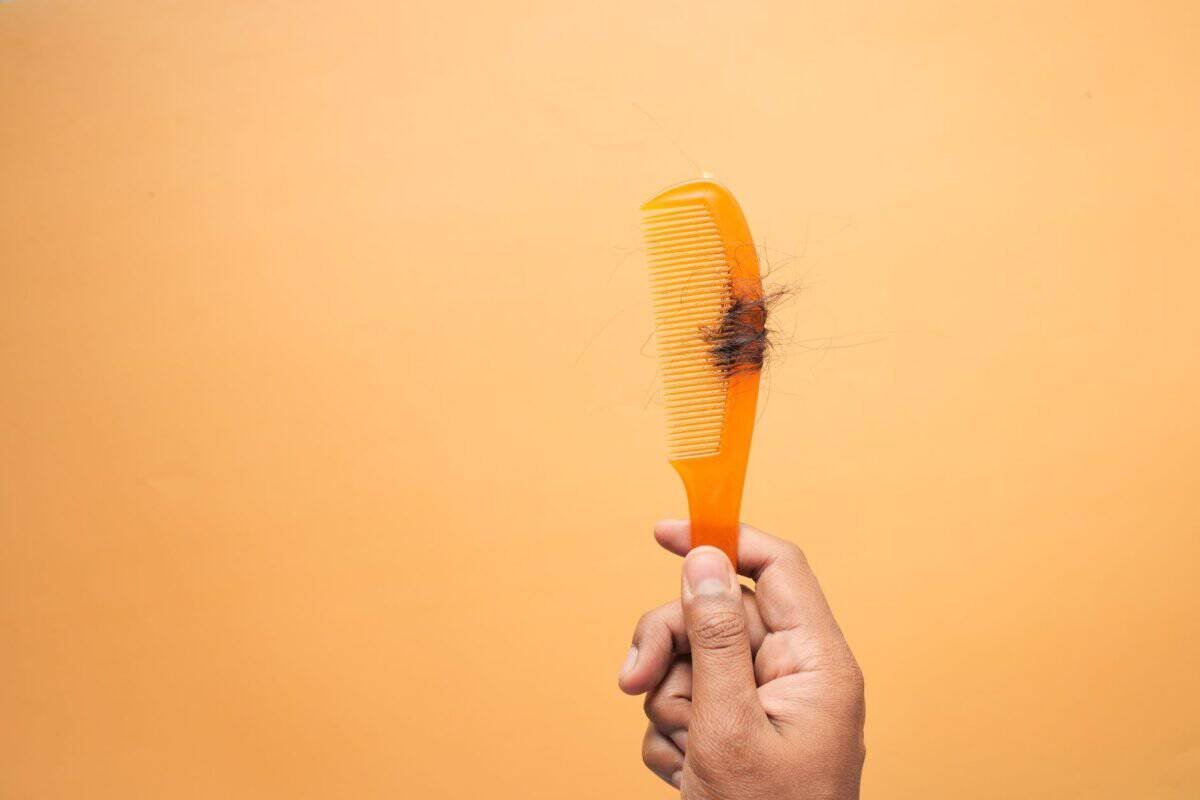
You step out of the shower, apply your favorite leave-in conditioner, and blow-dry your hair to perfection. For a brief moment, everything looks sleek and polished. But an hour later, the reality sets in: the ends of your hair look rough, frayed, and hopelessly frizzy. Touch them, and they feel less like soft, fluid strands and more like stiff, dry straw. If you use a flat iron, curling wand, or blow-dryer on a regular basis, this frustrating cycle probably feels all too familiar.
Brittle, frizzy ends are one of the most common signs of thermal damage. While heat tools give us the power to smooth textures and create effortless styles, daily exposure to high temperatures gradually breaks down the structural integrity of the hair strand. The result is chronic dryness, split ends, loss of elasticity, and stubborn frizz that no amount of heavy styling oil seems to fix.
Understanding why heat causes this specific type of structural damage is the first step toward reversing the look of dry ends and preventing future breakage. Here is a scientific look at what happens to your hair under high heat—and a practical blueprint to restore strength, softness, and shine.
The Daily Heat Trap: What Happens to Hair at High Temperatures
Hair is primarily composed of a fibrous protein called keratin, held together by chemical bonds—most notably, disulfide bonds and hydrogen bonds. Hydrogen bonds are flexible and temporary; they break when wet and reset as the hair dries, which allows you to reshape your hair using heat tools. However, when heat tools exceed safe thresholds (often starting around 300°F or 150°C), thermal degradation begins.
Daily heat styling creates a distinct combination of structural problems:
- Keratin Denaturation: Excessive heat alters the natural physical shape of the protein chains inside the hair shaft. Over time, these structural proteins lose their ability to coil and bounce back, leaving strands stiff and unyielding.
- Moisture Flashoff: High temperatures force water out of the hair shaft too rapidly. This sudden loss of bound moisture compromises the delicate balance of the inner cortex, causing the cuticle layer to crack and lift.
- Disulfide Bond Disruption: Heat and physical tension break the vital disulfide bonds that give hair its strength, core elasticity, and resilience. As these bonds deteriorate, the hair becomes prone to snapping and fraying.
- Cuticle Erosion: The outermost protective layer of the strand—the cuticle—resembles tiny shingles on a roof. Continuous heat flattens, degrades, or strips away these shingles, exposing the fragile inner cortex to friction and environmental stressors.
Because the ends of your hair are the oldest, most weathered parts of the strand, they bear the brunt of this cumulative damage. They have endured months or years of washing, brushing, UV exposure, and heat styling, making them far more vulnerable to splitting and frizz than the hair near your roots.
Why Traditional Oils and Heavy Masks Aren’t Enough
When faced with rough, frizzy ends, the instinct is often to load up on heavy hair oils, deep conditioners, and thick butter-based masks. While these products can offer temporary cosmetic relief by coating the exterior cuticle layer, they rarely solve the underlying issue.
Oils and silicones act primarily as occlusives and lubricants. They smooth down the outer layer, create a barrier against ambient humidity, and impart surface shine. However, coating damaged hair in heavy oils is like placing a coat of shiny paint over cracked drywall. It hides the damage momentarily, but beneath the surface, the keratin matrix remains fractured and weak. Furthermore, overusing heavy oils without properly repairing the inner strand can cause buildup, making damaged hair look weighed down, limp, and coated while still remaining dry inside.
To truly transform frizzy, brittle ends, your hair care approach must shift from superficial coating to deep, inner repair. When traditional masks fail to produce lasting changes, it is time to explore molecular repair treatments that work inside the hair cortex to reconnect broken polypeptide chains.
A Step-by-Step Blueprint to Restore Brittle Ends
Reversing the appearance of thermal damage requires a balance of advanced biotech science and thoughtful daily maintenance. By addressing both internal strength and external protection, you can restore softness, elasticity, and manageable movement to damaged ends.
1. Focus on Molecular Damage Restoration
True repair requires ingredients small enough to penetrate past the outer cuticle layer into the inner cortex. Targeted biomimetic peptides mimic the natural amino acid sequences found in hair protein. Unlike large proteins or surface-level conditioners, these specialized peptides can fit directly into damaged areas within the keratin chains, reconnecting broken bonds and restoring true strength and elasticity from within.
Incorporate a leave-in molecular repair product into your routine after washing. Apply it to damp hair, wait the recommended processing time before adding additional styling products, and give the peptide time to interact with the internal strand structure.
2. Upgrade Your Heat Protection Strategy
Prevention is just as critical as restoration. Never let hot metal or high-heat airflow directly touch unprotected hair. Thermal protectants act as a physical buffer, absorbing and distributing heat evenly while forming a barrier that slows down moisture evaporation.
Look for formulas that protect up to 450°F (232°C) while adding weightless hydration. Before applying hot tools, you should shop heat protection essentials to shield the delicate keratin structure from thermal degradation and minimize micro-cracking along the cuticle.
3. Lower Your Styler Temperatures
Most modern hot tools reach temperatures up to 450°F, but very few hair types actually require that level of heat. Fine, damaged, or bleached ends can often be shaped perfectly at temperatures between 300°F and 350°F. Turn down the heat gauge on your flat irons and curling wands, and avoid passing hot plates over the same section of hair multiple times.
4. Modify Your Wash Day Routine
Compromised, brittle ends are exceptionally fragile when wet. Swap harsh, stripping shampoos for gentle, color-safe formulas that clean without depriving the scalp and length of natural oils. Avoid aggressive towel-drying, which roughens up the cuticle layer and exacerbates frizz; instead, gently press excess water out using a soft microfiber towel or a clean cotton T-shirt.
Daily Habits to Prevent Future Frizz and Breakage
Repairing hair structure lays the groundwork for healthier hair, but daily handling determines how long those results last. Small adjustments to your lifestyle and styling rituals can significantly reduce mechanical friction and ongoing wear.
- Incorporate Regular Micro-Trims: While molecular treatments restore strength and resilience, severe split ends that have completely unraveled cannot be permanently glued back together. Scheduling regular micro-trims (removing just a quarter-inch every 8 to 12 weeks) prevents split ends from traveling up the hair shaft.
- Switch to Silk or Satin: Traditional cotton pillowcases create micro-friction against dry ends as you sleep, pulling at delicate strands and absorbing moisture. Sleeping on a silk or satin pillowcase allows hair to slide smoothly, minimizing morning frizz and tangle-induced breakage.
- Gentle Detangling: Always detangle hair starting from the ends and working your way up to the roots using a flexible wet brush or a wide-tooth comb. This minimizes tension on weakened sections.
- Give Hair Heat-Free Days: Allow your hair to air-dry naturally once or twice a week, or experiment with heatless styling techniques like silk curling ribbons or soft braids.
By shifting your perspective from masking damage to actively restoring hair health at the structural level, dry straw-like ends can become a thing of the past. To maintain strong, elastic strands between salon visits, check damage repair options that fit seamlessly into your existing routine and provide long-lasting resilience against daily heat styling.
Disclosure: This post contains affiliate links. If you click through and make a purchase, we may earn a commission at no additional cost to you. We only recommend products or services we believe add value to our readers.