
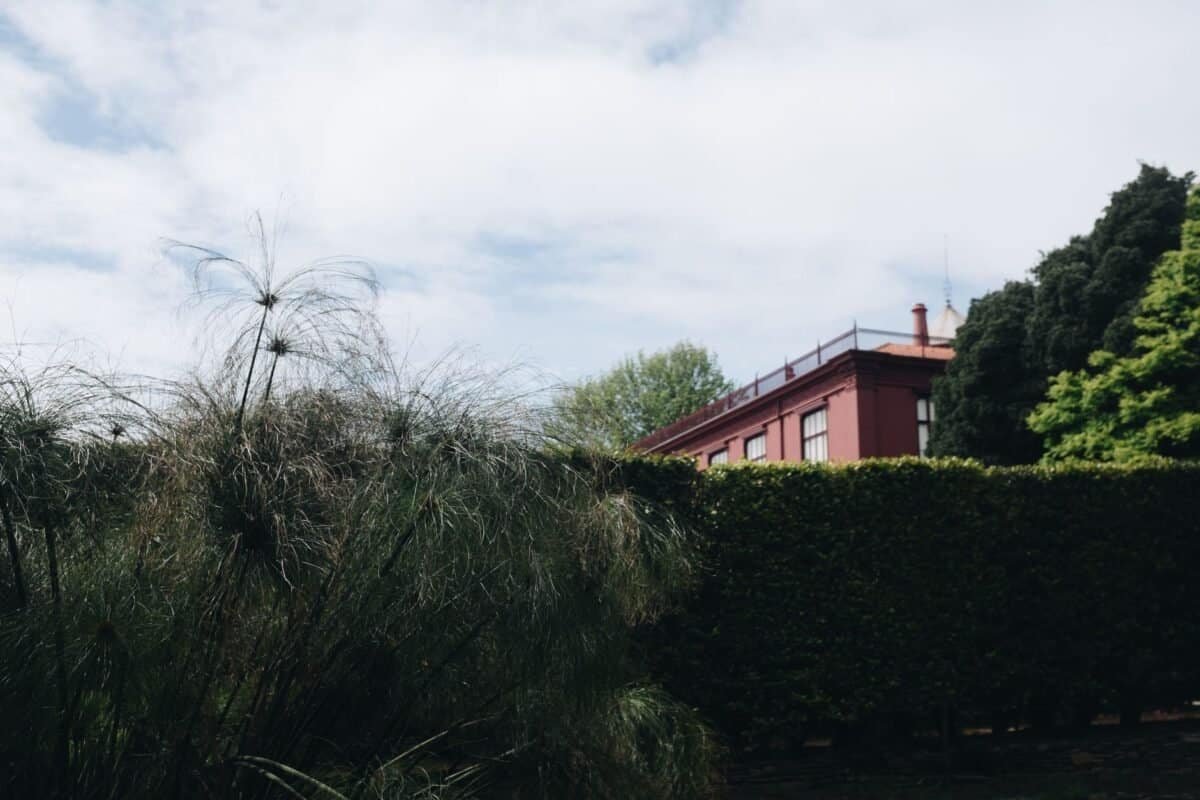
Creating privacy around your property is one of the most satisfying transformations you can make in a garden. While traditional fencing offers instant boundary definition, living screens bring far more value to your outdoor space. A well-chosen hedge absorbs street noise, acts as a natural windbreak, creates a shelter for local wildlife, and softens hard architectural edges with year-round beauty.
The main challenge homeowners face with natural screening is time. Waiting years for small saplings to reach eye level requires patience that many of us simply do not have, especially when dealing with close neighbors or unsightly views. Fortunately, several vigorous hedging species can establish quickly and establish an effective boundary in just a few seasons. Below are eight top-performing fast-growing hedges that deliver rapid coverage without compromising on aesthetics.
1. Leyland Cypress (Cupressocyparis leylandii)
When maximum speed is your primary goal, few plants can compete with the Leyland Cypress. Capable of growing between three to four feet per year under optimal conditions, this dense evergreen conifer quickly forms an impenetrable green wall that blocks out unwanted views and cuts down overhead wind significantly.
Leyland Cypress features feathery, dark green foliage that remains vibrant throughout all four seasons. Because of its extremely vigorous habit, regular maintenance is essential. Trimming the top and sides once or twice a year keeps the screen neat, prevents it from growing out of bounds, and ensures the interior foliage stays dense and healthy. It adapts well to most soil types as long as drainage is adequate.
2. Cherry Laurel (Prunus laurocerasus)
Cherry Laurel is a favorite choice for property owners seeking a lush, broadleaf evergreen screen. Characterized by large, glossy leaves that reflect sunlight, this hedge brings an elegant, tropical feel to temperate gardens. It typically achieves a growth rate of 12 to 24 inches per year, rapidly filling gaps to create a solid visual barrier.
In spring, Cherry Laurel produces delicate spikes of fragrant white flowers, followed by small red berries that attract birds in autumn. It is exceptionally resilient, thriving in full sun as well as deep shade, and tolerating difficult clay soils. If you are designing a secluded boundary, you can explore fast growing hedge plants to compare leaf shapes and habit styles before planting.
3. English Privet (Ligustrum vulgare)
Privet has been a staple of formal and semi-formal boundary hedges for generations, and for good reason. It offers a fast growth rate of roughly 12 to 24 inches per year and responds exceptionally well to frequent clipping, making it ideal for crisp, neat hedges along sidewalk borders or suburban yards.
Depending on your winter climate, Privet functions as an evergreen or semi-evergreen. In milder zones, it retains its small, dark green leaves year-round; in colder regions, it may shed a portion of its foliage during winter before bursting back to life in early spring. Privet is undemanding, tolerating urban pollution, nutrient-poor soil, and wind with ease.
4. Photinia x fraseri ‘Red Robin’
If you want a fast-growing privacy screen that provides a striking splash of color, Photinia ‘Red Robin’ is an outstanding contender. Growing roughly 12 to 20 inches annually, this evergreen shrub is renowned for its brilliant crimson young leaves that emerge in spring, gradually maturing into a deep, shiny green.
Pruning Photinia in late spring encourages a fresh flush of fiery red foliage later in the season. It naturally forms a dense, medium-to-tall hedge that adds privacy while acting as a colorful backdrop for lower-growing perennial beds. It thrives best in well-drained soil with full sun to partial shade.
5. Clumping Bamboo (Fargesia species)
For modern, architectural property lines, clumping bamboo species like Fargesia murielae or Fargesia nitida offer unprecedented speed and style. Unlike running bamboo varieties that require root barriers to prevent uncontrolled spreading, clumping bamboo stays in tidy, non-invasive clumps while shooting up rapidly each spring.
Bamboo can add several feet of height in a single growing season. Its graceful, swaying culms and rustling narrow leaves create a soothing, ambient sound mask against ambient traffic noise. If you want a contemporary aesthetic with immediate impact, check out screening hedge options to see how bamboo can transform narrow side-yard boundaries.
6. European Beech (Fagus sylvatica)
Although European Beech is technically a deciduous tree, when grown and pruned as a hedge, it exhibits a unique phenomenon known as marcescence. In autumn, its vibrant green leaves turn a warm, coppery orange and bronze, remaining firmly attached to the branches throughout winter. They fall only when fresh green leaves push through in spring.
This characteristic allows a beech hedge to provide structural privacy even during the coldest months. Beech hedges grow around 12 to 20 inches annually once established. They thrive in chalky, sandy, or well-drained loamy soils and bring a classic, countryside charm to suburban landscapes.
7. Thuja ‘Brabant’ / Green Giant (Thuja occidentalis)
Thuja species are iconic evergreen conifers widely relied upon for rapid, symmetrical privacy screens. Varieties like ‘Brabant’ or ‘Green Giant’ can add two to three feet of height per year, forming a rich, aromatic foliage wall that keeps its color across all seasons.
Thuja displays soft, fan-like foliage that is comfortable to touch and easy to shape. It naturally maintains a uniform, pyramidal habit, which means it requires less frequent clipping than Leyland Cypress to look presentable. Thuja prefers moist, well-drained soil in full sun or light shade, making it perfect for defining long property lines.
8. New Zealand Broadleaf (Griselinia littoralis)
Griselinia littoralis is an evergreen shrub prized for its rounded, apple-green foliage and upright growth habit. With an average growth rate of 12 to 18 inches per year, it quickly thickens to form an attractive, dense barrier that excels in warm, coastal, or sheltered environments.
Because its leaves are broad, smooth, and leathery, Griselinia handles strong winds and salty air exceptionally well without suffering leaf burn. It provides a bright, refreshing backdrop that feels lighter and warmer than traditional dark conifer screens. It thrives best in sunny spots with good soil drainage.
Tips for Accelerating Hedge Growth and Health
Choosing a fast-growing plant species is only the first step. To ensure your new property screen reaches maturity quickly and stays thick from base to top, proper planting techniques are essential:
- Ground Preparation: Dig a trench twice as wide as the root balls. Incorporate plenty of well-rotted organic matter or compost into the soil to promote rapid root development.
- Consistent Moisture: Fast growth requires adequate water, especially during the first two growing seasons. Install a simple drip irrigation line along the base of the hedge to keep moisture levels balanced without overwatering.
- Strategic Pruning: Lightly trimming the tips of young stems encourages side-branching. This makes the hedge significantly denser at the bottom, preventing gaps near ground level as the plants gain height.
- Soil Nutrition: Apply a balanced, slow-release fertilizer in early spring as new growth begins. To help new root systems establish without stress, browse essential garden plant care items like organic mulch and root booster formulas.
Selecting the Right Screen for Your Property
Before making your final choice, evaluate your site’s specific microclimate. Take note of light exposure throughout the day, soil type, drainage, and how much time you are willing to spend pruning each year. Extremely fast growers like Leyland Cypress deliver rapid results but demand consistent maintenance, whereas species like Thuja or Photinia offer a slightly moderate pace with reduced pruning needs.
By matching the right plant to your soil conditions and garden style, you can establish a healthy, attractive, living property line that delivers privacy, peace, and beauty for decades to come.
Disclosure: This post contains affiliate links. If you click through and make a purchase, we may earn a commission at no additional cost to you. We only recommend products or services we believe add value to our readers.