
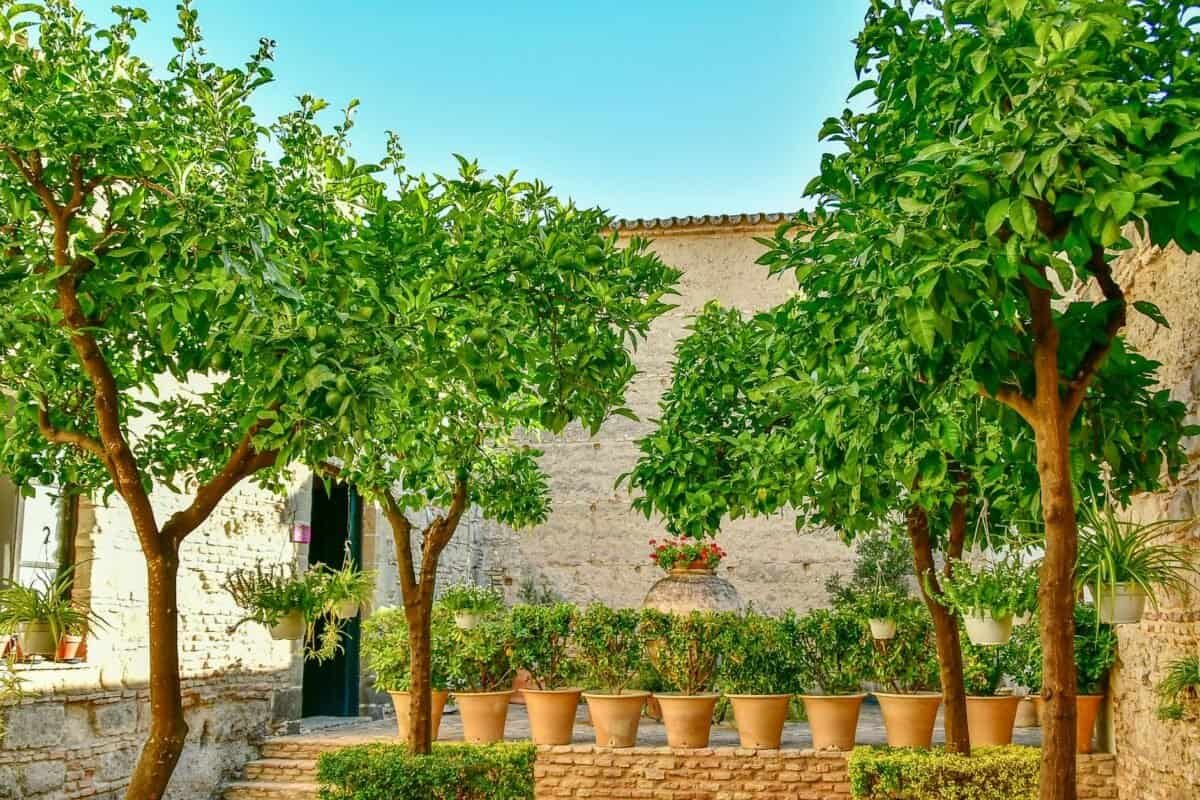
Transforming a compact patio, balcony, or courtyard into a vibrant green oasis does not require hours of daily maintenance or extensive horticultural expertise. Container gardening offers flexibility, allowing you to curate a stunning display in even the most modest outdoor spaces. However, small pots can dry out quickly, and limited room means every plant needs to pull its weight in aesthetics and durability.
The secret to a thriving, low-fuss patio garden lies in selecting species that are naturally resilient, slow-growing, and adaptable to pot life. Whether your outdoor sanctuary receives blazing afternoon sun or stays nestled in peaceful shade, there are exceptional foliage and flowering options that will flourish with minimal intervention. When space is limited, you can explore compact outdoor plants to maximize your greenery without overwhelming your seating area.
Best for Full Sun: Heat and Drought Tolerant Winners
South- and west-facing patios often baked in summer sun present a unique challenge: soil moisture evaporates rapidly, leaving sensitive roots stressed. Choosing sun-loving, drought-tolerant species ensures your containers remain lush even during hot spells.
1. English Lavender (Lavandula angustifolia)
English Lavender is a timeless classic for small patio pots. Renowned for its aromatic foliage and purple flower spikes, lavender thrives in intense sunlight and lean, well-draining soil. Because it prefers dry conditions between waterings, it is forgiving if you occasionally forget to water it. Compact varieties such as ‘Munstead’ or ‘Hidecote’ remain neatly rounded, making them ideal for small pots placed near seating areas where you can enjoy their soothing fragrance.
2. Stonecrop (Sedum and Phedimus)
Succulents like stonecrops are the ultimate set-it-and-forget-it container plants. Their fleshy leaves store water, allowing them to withstand prolonged heat waves and dry spells without wilting. Upright varieties like ‘Autumn Joy’ offer late-season pink flower heads that attract pollinators, while trailing varieties gently cascade over pot rims. Sedums require minimal soil nutrients and practically zero pruning, making them an ideal candidate for beginners.
3. Fountain Grass (Pennisetum alopecuroides ‘Little Bunny’)
To add gentle movement and texture to a sunny corner, miniature ornamental grasses are unmatched. ‘Little Bunny’ is a dwarf fountain grass that tops out at under 18 inches. It produces soft, fluffy flower plumes in mid-summer that persist into winter. It resists pests, tolerates heat, and needs only a single cutback in early spring before fresh growth emerges.
Best for Partial to Deep Shade: Low-Light Champions
North-facing balconies, covered patios, and areas shaded by surrounding buildings do not have to be bare. Many shade-loving species feature striking foliage that brightens dimly lit corners far longer than temporary blooms would.
1. Coral Bells (Heuchera)
If you prefer plants that return bigger and better each spring, take a moment to browse low-maintenance perennials designed for container life. Among the best choices for shaded pots are Coral Bells. Celebrated for their astonishing array of leaf colors—ranging from deep plum and fiery copper to chartreuse and silver-veined jade—Heucheras bring instant vibrancy to dark spaces. They maintain their foliage in mild winters, require light watering, and produce delicate bell-shaped flowers on slender stems during summer.
2. Japanese Forest Grass (Hakonechloa macra ‘Aureola’)
Bringing a bright, weeping habit to patio pots, Japanese Forest Grass is one of the most elegant shade plants available. Its ribbon-like, golden-striped leaves catch the slightest breeze, creating dynamic movement in static spaces. It grows slowly, rarely outgrows its container, and simply needs dead foliage cleared away at the end of winter.
3. Cast Iron Plant (Aspidistra elatior)
True to its name, the Cast Iron Plant is virtually indestructible. Long favored as an indoor plant, it also excels outdoors on sheltered, shaded patios in temperate climates. Its broad, deep-green architectural leaves handle neglect, low light, and irregular watering with ease. It provides a clean, tropical aesthetic without demanding high humidity or constant fussing.
Best for Year-Round Structure: Evergreen Favorites
A common pitfall in small-space gardening is having a patio that looks spectacular in July but completely barren by November. Incorporating dwarf evergreens into your container plan guarantees structure and color 365 days a year.
1. Dwarf Conifers (Picea glauca ‘Albert Globe’ or Pinus mugo ‘Mops’)
Dwarf conifers grow at an extremely modest rate—often just an inch or two per year—meaning they will not require repotting for a long time. Globular spruces and dwarf mountain pines provide dense texture and deep green or bluish tones. They need zero pruning to maintain their compact form and handle frosty winters with complete resilience.
2. Japanese Holly (Ilex crenata ‘Compressa’)
For gardeners who love the classic, formal look of boxwood without the headache of box blight, Japanese Holly is an exceptional substitute. This slow-growing evergreen features tiny, glossy dark-green leaves and a naturally tight, upright habit. It performs admirably in small containers, requiring only occasional tipping to keep its refined shape.
Best for Low-Maintenance Edibles and Aromatics
Growing your own food on a small patio is deeply satisfying, but many vegetable crops require daily watering and heavy feeding. Woody herbs and compact fruit varieties offer a far lower-maintenance alternative.
1. Rosemary and Thyme
Mediterranean woody herbs like Rosemary (Salvia rosmarinus) and Creeping Thyme (Thymus serpyllum) are accustomed to rocky, dry conditions in the wild. When potted in well-draining grit, they thrive on neglect. You can snip fresh sprigs year-round for cooking, and their natural oils keep most common garden pests at bay.
2. Dwarf Patio Blueberries
Modern plant breeding has introduced dwarf blueberry bushes designed specifically for patio pots. Varieties like ‘Tophat’ or ‘BerryBux’ stay under two feet tall, producing snowy spring blossoms, sweet summer fruit, and fiery red foliage in autumn. Plant them in an acid-rich potting mix (ericaceous compost), keep them moist, and enjoy years of effortless harvests.
Essential Tips for Success with Low-Maintenance Patio Pots
Even the toughest plants need a solid foundation to truly thrive on low effort. Following a few practical container principles will set your patio garden up for long-term independence:
- Choose the Right Pot Material: Plastic, resin, and glazed ceramic pots retain moisture significantly longer than unglazed terracotta, which breathes and dries out fast. If you want to water less often, non-porous containers are your best friend.
- Ensure Proper Drainage: Never compromise on drainage holes. Sitting in waterlogged soil causes root rot far faster than drought kills a plant. Before getting started, ensure you buy quality patio containers with adequate drainage holes to protect plant roots from waterlogging.
- Use Quality Compost and Mulch: Invest in a peat-free compost enriched with slow-release fertilizer granules. Top the soil surface with a 1-inch layer of decorative gravel, slate chips, or bark mulch. Mulching insulates roots against extreme heat and dramatically reduces water evaporation.
- Group Pots Together: Cluster your containers together in corners or along walls. Creating a microclimate reduces wind exposure and increases ambient humidity around the foliage, slowing down transpiration and keeping plants fresher longer.
Creating Your Low-Fuss Outdoor Oasis
A small patio should be a place to relax and unwind, not another lengthy item on your weekend to-do list. By selecting naturally tough, slow-growing plants tailored to your patio’s light conditions, you can enjoy rich textures, gorgeous colors, and fresh fragrances year after year with minimal effort. Start with two or three complementary containers, give them a healthy foundation, and watch your outdoor retreat come to life.
Disclosure: This post contains affiliate links. If you click through and make a purchase, we may earn a commission at no additional cost to you. We only recommend products or services we believe add value to our readers.