
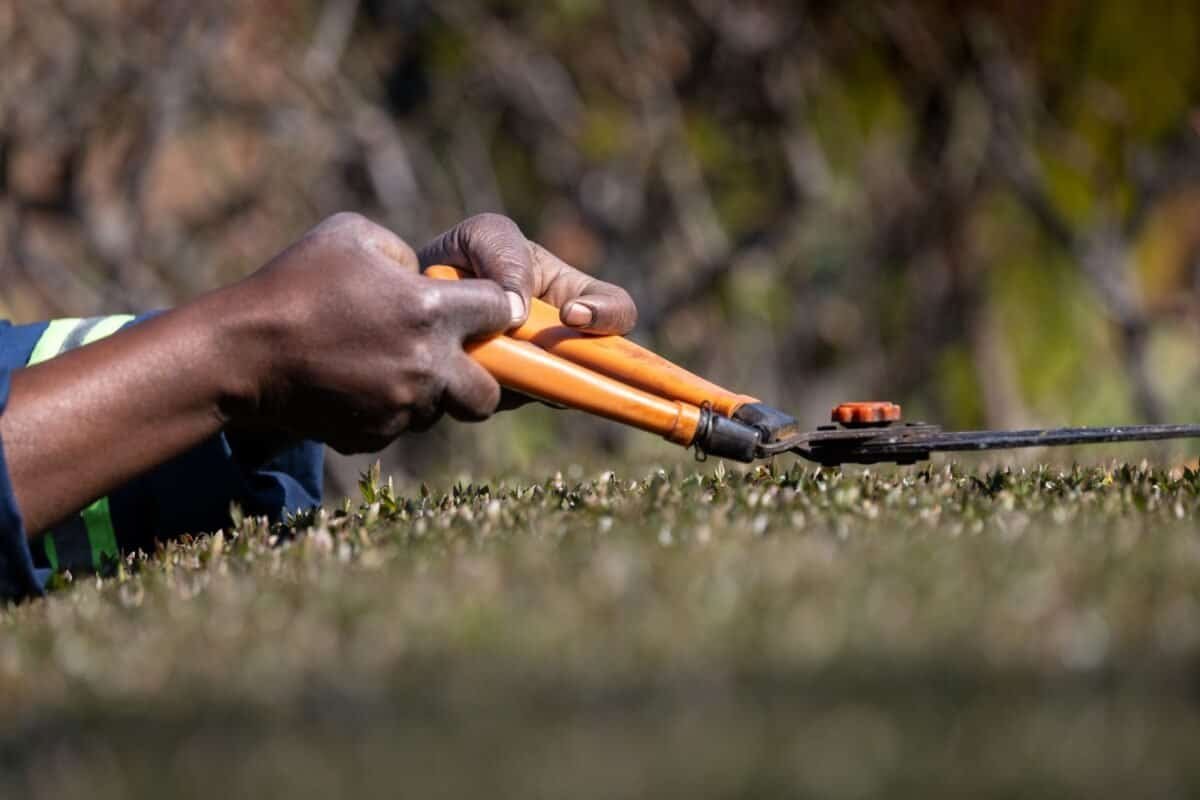
Hydrangeas are the crowning glory of many summer gardens, renowned for their breathtaking pom-pom flower heads, rich jewel tones, and elegant foliage. However, when spring arrives, many gardeners feel a surge of hesitation holding a pair of secateurs over their prized hydrangeas. Cut too aggressively at the wrong time, and you risk snipping away an entire season of vibrant blooms. Cut too little, and your shrub can become overgrown, leggy, and cluttered with weak, unproductive wood.
Pruning hydrangeas does not have to be a guessing game. The secret to maximizing flower production lies in understanding one fundamental principle: whether your specific hydrangea blooms on old wood or new wood. Once you identify your variety, following the correct pruning technique is straightforward and incredibly rewarding. In this guide, we will walk you through everything you need to know to prune your hydrangeas with confidence and enjoy a spectacular display of blossoms year after year.
Understanding Old Wood vs. New Wood Hydrangeas
Before making a single cut, you must determine how your hydrangea grows its flower buds. Hydrangeas fall into two distinct botanical categories regarding bloom habits: those that set buds on last year’s stems (old wood) and those that produce buds on fresh spring growth (new wood).
1. Hydrangeas That Bloom on Old Wood
These varieties form their flower buds during the late summer and autumn of the previous year. The buds overwinter on the branches, ready to burst into bloom as temperatures rise in spring.
- Mophead and Lacecap Hydrangeas (Hydrangea macrophylla): The classic garden hydrangeas featuring dramatic globe-like or flattened lace flower heads in blue, pink, or purple.
- Oakleaf Hydrangeas (Hydrangea quercifolia): Recognizable by their distinct oak-shaped leaves, stunning autumn color, and elongated white flower panicles.
- Mountain Hydrangeas (Hydrangea serrata): Compact, cold-tolerant shrubs similar to lacecaps, bearing delicate blooms.
- Climbing Hydrangeas (Hydrangea anomala subsp. petiolaris): Vigorous woody vines that cling to walls and trellises.
The Golden Rule: Because these plants carry next season’s buds on existing wood, heavy pruning in late winter or early spring will remove the floral display entirely. Prune them only in mid-to-late summer immediately after blooming finishes.
2. Hydrangeas That Bloom on New Wood
These hardy varieties produce flower buds on fresh shoots produced during the current growing season. Because they do not rely on overwintering buds, late-winter frosts pose very little threat to their flowering potential.
- Panicle Hydrangeas (Hydrangea paniculata): Exceptionally hardy shrubs featuring cone-shaped blooms that start cream or white and age to soft pink or dusty rose.
- Smooth Hydrangeas (Hydrangea arborescens): Famous for massive flower heads like the classic ‘Annabelle’ variety.
The Golden Rule: Prune these varieties in late winter or early spring before active growth resumes. Cutting them back encourages strong new stems that bear massive summer flowers.
Essential Tools for Pruning Hydrangeas
Using the correct equipment ensures clean cuts that heal rapidly, reducing stress on the plant and preventing the entry of fungal diseases. Ensure your tools are clean and sharp before starting.
- Bypass Secateurs: Best for cutting stems under 3/4 inch in diameter. Bypass blades make scissor-like cuts that do not crush living stem tissues. If your equipment is worn down, it is a great time to explore quality pruning shears to guarantee clean, precise cuts.
- Loppers: Essential for thick, woody stems at the base of mature shrubs where extra leverage is needed.
- Disinfectant Solution: Wipe your blades with rubbing alcohol or a mild bleach solution between shrubs to prevent spreading disease.
- Thick Gardening Gloves: Protect your hands from rough woody branches and potential sap irritation.
How to Prune Old-Wood Hydrangeas (Step-by-Step)
For Bigleaf, Oakleaf, and Mountain hydrangeas, major pruning should occur immediately after summer flowering. However, a light spring cleanup is beneficial to remove winter dieback.
Step 1: Perform Late Winter Assessment
In early spring, inspect the shrub closely. Look for stems that suffered frost damage, disease, or breakage over the winter months. Do not perform a heavy overall trim at this point.
Step 2: Prune Dead Wood
Cut dead, brittle stems back down to healthy, green tissue. Look for fat, plump green buds forming along the stem; cut approximately a quarter-inch above a healthy pair of outward-facing buds at a 45-degree angle.
Step 3: Remove Spent Flower Heads (Deadheading)
If you left dry, papery seed heads on the bush over winter to provide winter interest and frost protection for lower buds, now is the time to remove them. Carefully snip off the old flower head just above the first set of strong, healthy buds below the flower stem.
Step 4: Thin Out Overcrowded Canopies
To improve air circulation and sunlight penetration, remove one or two of the oldest, thickest, woodiest stems near ground level. Thinning out up to 20% of mature stems encourages vigorous young growth from the base without sacrificing the overall bloom yield.
How to Prune New-Wood Hydrangeas (Step-by-Step)
Panicle and Smooth hydrangeas respond wonderfully to significant annual spring pruning, rewarding you with large, healthy blossoms on sturdy new stems.
Step 1: Choose Your Timing
Prune in late winter or early spring while the shrub is dormant, just as buds begin to swell but before leaves unfold.
Step 2: Reduce Overall Height
Cut stems back by one-third to one-half of their total length. For Smooth hydrangeas (like ‘Annabelle’), you can cut stems back to roughly 12 to 18 inches above the ground. For Panicle hydrangeas, prune back stems to a frame of strong main branches.
Step 3: Create a Sturdy Skeleton
Cutting back to strong, low framework stems creates thick woody bases that won’t flop over under the heavy weight of summer flower heads. Always cut right above a healthy pair of buds.
Step 4: Clear out Weak Growth
Remove any thin, spindly stems that are thinner than a pencil. Removing weak growth focuses the plant’s energy into producing robust, thick shoots capable of supporting large floral heads.
Post-Pruning Care for Maximum Spring Growth
Pruning is only half the secret to spectacular blooms; providing appropriate aftercare gives your hydrangeas the vitality to produce stunning floral displays.
First, water your plants deeply around the root zone as spring growth gets underway. Hydrangeas have shallow root systems that thrive under consistent, even moisture. Applying a two-to-three-inch layer of organic mulch around the root base retains soil moisture and regulates temperature.
Next, nourish your hydrangeas. If you are starting fresh or expanding your garden layout, take time to browse healthy hydrangea plants to complement your existing beds. Once plants are established, feeding them in spring is vital. To encourage rich foliage and abundant bud setting, shop essential plant fertilizers formulated for acid-loving or flowering shrubs. Avoid excessive high-nitrogen formulas, which encourage lush green leaves at the expense of floral blooms.
Enjoying a Season of Brilliant Blooms
Pruning hydrangeas does not need to feel intimidating. By identifying whether your shrub flowers on old or new wood, using sharp tools, and timing your cuts correctly, you will encourage healthier foliage and bigger, more brilliant blooms throughout spring and summer. Take the time this season to give your hydrangeas the targeted care they need, and enjoy the dramatic color display all season long.
Disclosure: This post contains affiliate links. If you click through and make a purchase, we may earn a commission at no additional cost to you. We only recommend products or services we believe add value to our readers.