
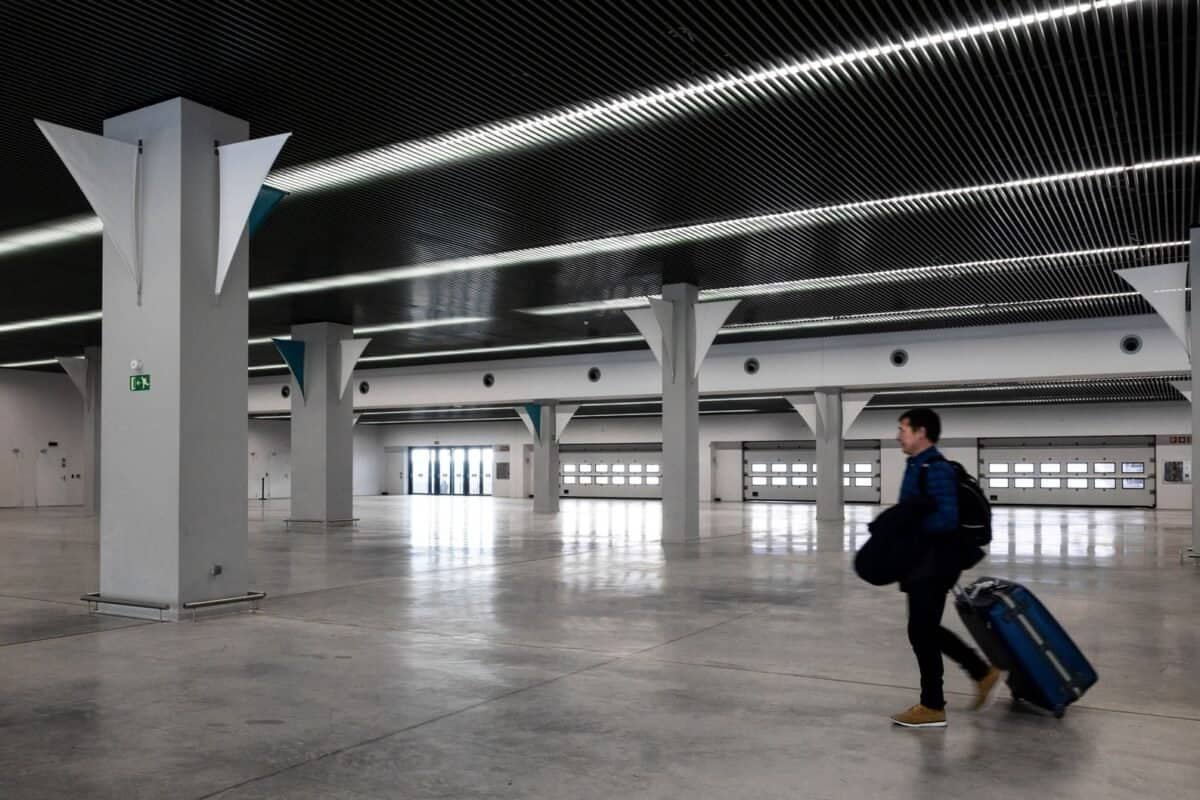
Arriving in the Eternal City is one of travel’s great pleasures, but navigating your way from the airport to your accommodation after a long flight can feel daunting. Leonardo da Vinci–Fiumicino Airport (FCO) is Rome’s primary international gateway, located approximately 30 kilometers (19 miles) southwest of the city center. With millions of passengers passing through its gates each year, Fiumicino offers several transfer routes into downtown Rome, ranging from budget-friendly public buses to premium private transfers.
Understanding the pros, cons, costs, and travel times of each option is the key to a stress-free start to your Italian vacation. This guide breaks down every practical method to transfer from Rome Fiumicino Airport to the city center, helping you choose the ideal transportation option for your travel style and budget.
1. Pre-Booked Private Transfers: Ultimate Comfort and Convenience
If you prioritize ease, comfort, and peace of mind after landing, a private transfer is unmatchable. Traveling to a foreign city with luggage—especially after crossing time zones—can be tiring. A private transfer ensures that a professional driver meets you directly in the arrivals hall, helps with your bags, and whisks you straight to your hotel doorstep.
Why Choose a Private Transfer?
- Door-to-Door Service: Unlike trains or buses that drop you at central stations, a private vehicle takes you straight to your specific accommodation anywhere in Rome.
- Fixed, Upfront Pricing: Private transfer costs are locked in when you book, protecting you from unexpected taxi meter surcharges, heavy traffic delays, or night-rate fees.
- Flight Tracking: Professional transfer services monitor incoming flights, so if your plane is delayed, your driver adjusts their schedule automatically.
- No Stress with Luggage: You will not need to drag heavy suitcases through crowded train platforms or navigate cobblestone streets on foot.
When traveling with family, a group, or significant luggage, taking public transit often becomes chaotic. If you want to bypass long queues and secure a seamless door-to-door ride, you can book a private airport transfer before you leave home.
2. Official Rome Taxis: Fixed Fares into the Aurelian Walls
Official city taxis are available 24/7 directly outside Terminal 1 and Terminal 3 arrivals. Rome’s white taxis operate under strict municipal regulations, featuring a lit "TAXI" sign on the roof and official license numbers displayed on the front doors.
Understanding the Fixed Taxi Rate
The city of Rome sets a standard fixed fare of €50 for rides between Fiumicino Airport and any address located inside the historic Aurelian Walls. This flat fee covers up to four passengers and their luggage. However, if your accommodation lies outside the Aurelian Walls, the fare will be calculated using the taximeter.
Important Rules for Taking a Taxi at Fiumicino:
- Ignore Touts Inside the Terminal: As you walk through arrivals, unauthorized drivers may approach you offering private transport. Always decline these offers and follow the overhead signs directly to the official taxi line outside.
- Confirm the Rate: Before getting in, politely confirm with the driver that the €50 fixed rate applies to your destination inside the city center.
- Expect Peak Hour Queues: Taxi queues can become quite long during peak arrival windows in the morning and early evening. To avoid the uncertainty of long taxi lines during peak arrival hours, reserve your Rome transfer before departing.
3. The Leonardo Express Train: The Fastest Direct Rail Link
For travelers heading straight to Roma Termini—the city’s main transit hub—the Leonardo Express is the fastest transport option available. Operated by Trenitalia, this non-stop train connects Fiumicino Airport railway station directly to Termini in just 32 minutes.
Key Details of the Leonardo Express:
- Frequency: Trains run every 15 to 30 minutes, depending on the time of day, operating from early morning until late at night.
- Cost: A standard one-way ticket costs €14 per person. Children under 4 travel free, and one child aged 4 to 11 travels free per paying adult.
- Luggage Capacity: Dedicated luggage racks are available in each carriage, making it convenient for standard luggage size.
How to Use the Leonardo Express:
After collecting your luggage, follow the train icons on the airport directional signs. The train station is connected to the terminals via covered walkways with moving sidewalks. You can purchase tickets at automated machines or ticket counters. Crucial tip: If you buy a paper ticket at the station, you must validate it in the green-and-white stamping machines before boarding to avoid heavy fines.
Note: While the Leonardo Express is quick, it drops you at Roma Termini. If your accommodation is located in neighborhoods like Trastevere, Navona, or the Vatican area, you will still need to take a metro, bus, or local taxi from Termini to your final location.
4. Regional FL1 Train: Ideal for Specific Neighborhoods
If your hotel is located outside the immediate Termini area—such as in Trastevere, Ostiense, or Tiburtina—the FL1 Regional Train offers a smart, budget-conscious alternative to the Leonardo Express.
Features of the FL1 Regional Line:
- Route: Stops at major local stations including Roma Trastevere, Roma Ostiense, and Roma Tiburtina.
- Travel Time: Approximately 30 to 45 minutes depending on your drop-off station.
- Cost: €8 per person for a one-way ticket.
The FL1 line does not stop at Roma Termini, making it much less crowded with tourists. From stations like Ostiense or Trastevere, you can easily connect to local bus networks or regional metro lines to reach your destination smoothly.
5. Shuttle Buses: Budget-Friendly Transport
Travelers on a tight budget will find airport shuttle buses to be the cheapest method for getting into central Rome. Several companies—including Terravision, SIT Bus Shuttle, and TAM—operate frequent connections between Fiumicino Airport and Roma Termini or the Vatican area.
What to Expect from Airport Shuttle Buses:
- Cost: Tickets generally cost between €6 and €8 one-way per person.
- Travel Time: 45 to 70 minutes, heavily dependent on Roman traffic conditions.
- Boarding Location: Bus bays are located right outside Terminal 3 arrivals.
While shuttle buses are undeniably economical, they take significantly longer during morning and evening rush hours. Additionally, during peak tourist seasons, waiting lines at the bus stops can be long, and seating is available on a first-come, first-served basis unless you hold a time-specific online booking.
Comparing Your Transfer Options
| Transfer Method | Travel Time | Estimated Cost | Best Suited For |
|---|---|---|---|
| Private Transfer | 30–45 mins | Fixed per vehicle | Families, groups, door-to-door ease |
| Official Taxi | 30–50 mins | €50 flat rate (in-wall) | Direct drop-off without advance planning |
| Leonardo Express | 32 mins | €14 per person | Solo travelers staying near Termini |
| FL1 Regional Train | 30–45 mins | €8 per person | Travelers staying in Trastevere/Ostiense |
| Shuttle Bus | 45–70+ mins | €6–€8 per person | Strictly budget-conscious travelers |
Tips for a Seamless Airport Transfer Experience
To ensure your trip into Rome goes without a hitch, keep these practical tips in mind:
- Keep Euros or Contactless Cards Handy: While most services accept credit cards, having small cash euro notes is helpful for small tips or unexpected local expenses.
- Factor in Traffic: Rome’s road traffic can be heavy between 7:30 AM – 9:30 AM and 5:00 PM – 7:30 PM on weekdays. Take this into account when choosing between rail and road options.
- Validate Public Transit Tickets: Always validate train and local bus tickets before starting your journey to avoid unexpected penalties from transport inspectors.
No matter how you choose to travel, planning your airport transfer beforehand saves valuable energy and time. For a completely stress-free arrival at your hotel door, pre-book your personalized pickup so you can focus entirely on enjoying your first day in Italy.
Disclosure: This post contains affiliate links. If you click through and make a purchase, we may earn a commission at no additional cost to you. We only recommend products or services we believe add value to our readers.