
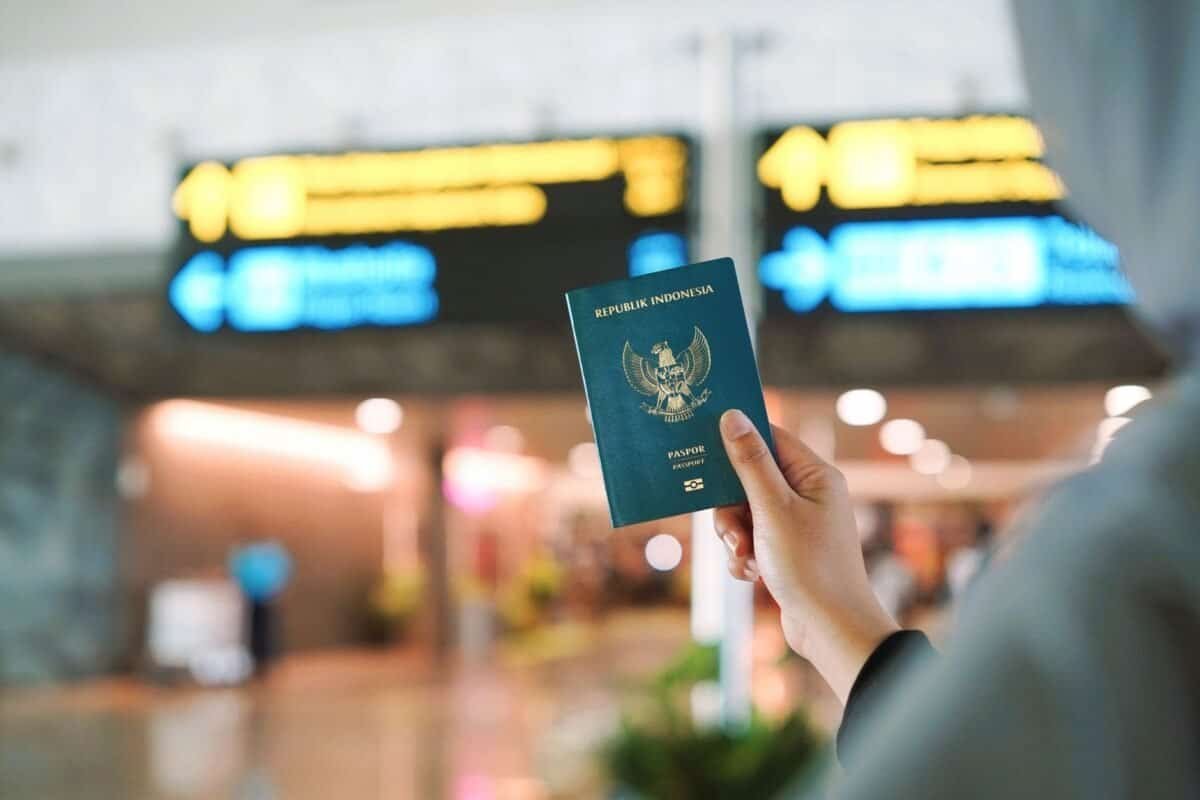
Stepping onto an airplane for your very first international trip is an exhilarating milestone. Beyond the excitement of exploring new cultures and landscapes lies the practical reality of navigating unfamiliar airports. Foreign international hubs are bustling, complex environments where fatigue, long layovers, and language barriers can leave first-time travelers feeling vulnerable to minor mishaps, misplaced belongings, or common travel scams. Maintaining your personal safety and peace of mind starts the moment you walk into your departure terminal and continues until you safely reach your final accommodation.
To help you navigate international hubs with complete confidence, here is a detailed guide featuring the top 10 essential airport safety tips every first-time international traveler should follow.
1. Secure Your Travel Documents and Digital Copies
Your passport, entry visas, and official identity documents are your most critical assets when traveling abroad. Losing them in a busy foreign airport can lead to severe delays, stress, and costly visits to your local embassy. Keep your physical passport in a secure, zippered body pouch, money belt, or dedicated neck lanyard tucked beneath your shirt rather than in an easily accessible coat pocket or back pocket.
In addition to securing the physical documents, create comprehensive digital backups. Before departing on your trip, take clear photos or high-resolution scans of your passport information page, active visas, travel insurance policy details, and emergency contacts. Save these files on a secure cloud storage folder accessible offline, and email a duplicate copy to a trusted family member back home. If your physical documents are ever misplaced, having immediate access to these digital copies makes obtaining an emergency passport replacement significantly faster and simpler.
2. Store All High-Value Items in Your Carry-On Luggage
Checked luggage occasionally gets delayed, misrouted, or subjected to rough handling during transit. As a general rule of international travel, never place essential electronics, expensive jewelry, vital prescription medications, or physical foreign currency inside checked baggage. Always keep irreplaceable items inside your dedicated carry-on bag or personal item under your direct supervision.
While waiting in crowded airport gates or boarding areas, keep your carry-on bag zipped shut and positioned within your line of sight. On long-haul flights, slide your smaller personal backpack under the seat directly in front of you with the zippers facing toward your seat, making it extremely difficult for anyone to access your items while you sleep.
3. Beware of Unsolicited Airport Transportation Offers
One of the most common challenges first-time international travelers face upon exiting customs is encountering aggressive, unauthorized drivers offering taxi services in the arrivals hall. These unlicensed operators often charge exorbitant hidden fees, lack proper vehicle insurance, and take indirect routes to inflate costs. In some destination cities, accepting an unverified ride poses real personal safety hazards.
To safeguard yourself against airport transport scams, completely ignore individuals who approach you inside the terminal offering ground transportation. Always follow official airport signs leading to designated public taxi ranks, licensed transit hubs, or verified pickup points. If you prefer to avoid the hassle of navigating crowds altogether, it is always a smart strategy to book a private airport transfer before departing on your journey.
4. Maintain Situational Awareness in Busy Arrival Halls
The arrivals hall of a major international airport is typically one of its most chaotic zones. Tour operators, eager greeters, transport drivers, and tired travelers all assemble in a dynamic, high-traffic environment. Pickpockets and opportunistic thieves frequently target these zones because weary arriving passengers are often distracted by their smartphones, checking directions, or managing multiple pieces of luggage.
Avoid standing in the middle of heavily trafficked pedestrian lanes while gazing down at your phone screen or digging through your bags for paperwork. If you need to stop to reorient yourself, review a map, or adjust your belongings, step to the side near a structural pillar, wall, or well-lit café where your back is protected and you can clearly monitor your surroundings.
5. Exercise Caution on Open Airport Wi-Fi Networks
Free airport Wi-Fi is an incredible convenience for sending a quick message to family or checking your flight status, but open public networks carry inherent cyber security risks. Cybercriminals can set up fraudulent, unencrypted Wi-Fi hotspots with deceptive names like “Free_Airport_Guest_WiFi” to intercept sensitive personal data, passwords, and banking information from unsuspecting users.
To protect your digital identity while passing through airports, consider the following safety measures:
- Avoid logging into online banking accounts, credit portal apps, or making financial transactions while connected to public Wi-Fi.
- Utilize a Virtual Private Network (VPN) on your smartphone and laptop to encrypt your internet connection on public hotspots.
- Disable automatic Wi-Fi and Bluetooth connection settings on your electronic devices so they do not connect to unsecured networks without your explicit permission.
6. Lock Your Bags with TSA-Approved Luggage Locks
Even within secured airport corridors, unmonitored luggage can occasionally be targeted for quick theft. Always secure the main zipper compartments of both your checked luggage and carry-on bags using TSA-approved locks. These standardized locks allow security officials to inspect your baggage without destroying the zippers while deterring unauthorized individuals from reaching inside.
When navigating crowded terminal corridors, bus lines, or airport train transfers, consider wearing your backpack on your chest rather than your back. When dining at airport restaurants, loop your bag’s shoulder strap around your leg or chair post so a passerby cannot snatch it discreetly.
7. Plan Your Onward Transportation Before Touchdown
Arriving in an unfamiliar city late at night or after a exhausting 12-hour flight naturally impairs your decision-making abilities. Attempting to figure out complex public transit maps, foreign currency ticket kiosks, or ride-hailing apps while jet-lagged increases stress and exposes you to potential safety oversights.
Research your target destination’s ground transportation system several days prior to departure. Having a clear operational plan minimizes confusion when walking through customs, so it is wise to pre-book your ground transportation well before landing. Knowing exactly who is picking you up, where they will meet you, and how much it costs provides immediate peace of mind upon arrival.
8. Safeguard and Diversify Your Money and Cards
Carrying all your foreign cash, credit cards, and debit cards in a single wallet is a high-risk habit. If your primary wallet gets lost or stolen, you could be left without financial resources in a country where you don’t speak the local language.
Practice smart financial diversification throughout your journey:
- Keep one main credit card and a small amount of local pocket cash in your primary wallet for daily expenses.
- Store a backup credit card, secondary ID, and emergency cash reserve in a hidden interior compartment of your carry-on luggage or money belt.
- Notify your home bank and credit card issuers of your foreign travel dates ahead of time so legitimate overseas transactions are not flagged or blocked for fraud.
Before boarding your long-haul flight, ensure that a close friend or family member back home has access to your full travel itinerary. Provide them with your flight numbers, connection layovers, hotel address, and local contact details.
Once you land at your destination airport and connect to cellular service, send a quick text message or share your live GPS location using location-sharing features on your smartphone. Having a trusted person aware of your precise travel timeline adds an essential safety layer during international transit.
10. Familiarize Yourself with Emergency Services and Facilities
Every major international airport is equipped with dedicated medical facilities, airport police stations, lost-and-found hubs, and information help desks. Take two minutes upon entering a new terminal to check the overhead direction signage or digital map boards so you know where assistance is located if an unexpected emergency occurs.
Additionally, take time to write down the local emergency telephone number of your destination country (such as 112 in Europe or 999 in the UK), along with the address and contact number of your home country’s embassy or consulate office located in the destination city.
Final Thoughts for a Safe Journey
Navigating international airports for the first time should be an empowering, rewarding part of your broader travel journey. By prioritizing document security, remaining aware of your surroundings, avoiding unauthorized solicitations, and protecting your digital devices, you dramatically reduce common travel risks.
Thorough preparation is the ultimate secret to a memorable trip. When you take proactive precautions to safeguard your belongings and choose to arrange a reliable ride ahead, you can step off the plane with confidence and focus entirely on the incredible experiences waiting for you.
Disclosure: This post contains affiliate links. If you click through and make a purchase, we may earn a commission at no additional cost to you. We only recommend products or services we believe add value to our readers.